These are the top 10 games I grab when I want to encourage magical gaming moments, big and small.
Top 10 Games I Love to Show People
I often think about the times I’ve brought out a game and made someone say, “I didn’t know board games could be like that!” It has happened with friends, with family, with “serious” gamers and casual gamers alike. I’m a collector as much as a player, and I love curating specific experiences for folks. Those experiences often inspire such moments.
Personally, my first “I had no idea!” board game was Dominion. The chaining of actions and buys, the mixing & matching of cards, and the very concept of deckbuilding just hooked me. I knew about deck construction through exposure to Magic: The Gathering (though I wouldn’t learn to play it for a few more years), but building on the fly was a wild new idea.
I’ve seen this same thing happen with my mother-in-law, who I introduced to Azul several years ago. She has since begged me to play it with her nearly 100 times. There’s something so satisfying about pulling out a unique game and expanding someone’s horizons, even just a little. I love being able to make people smile and get excited.
So these are the top 10 games I grab when I want to encourage magical gaming moments, big and small.
10. Cosmic Frog
Cosmic Frog is a little out of place here in the sense that it’s not quite a game I show off for its gameplay experience. The game is extremely swingy and…weird. But the theme is just enticing enough to bring curious people to the table for a silly, fun time.
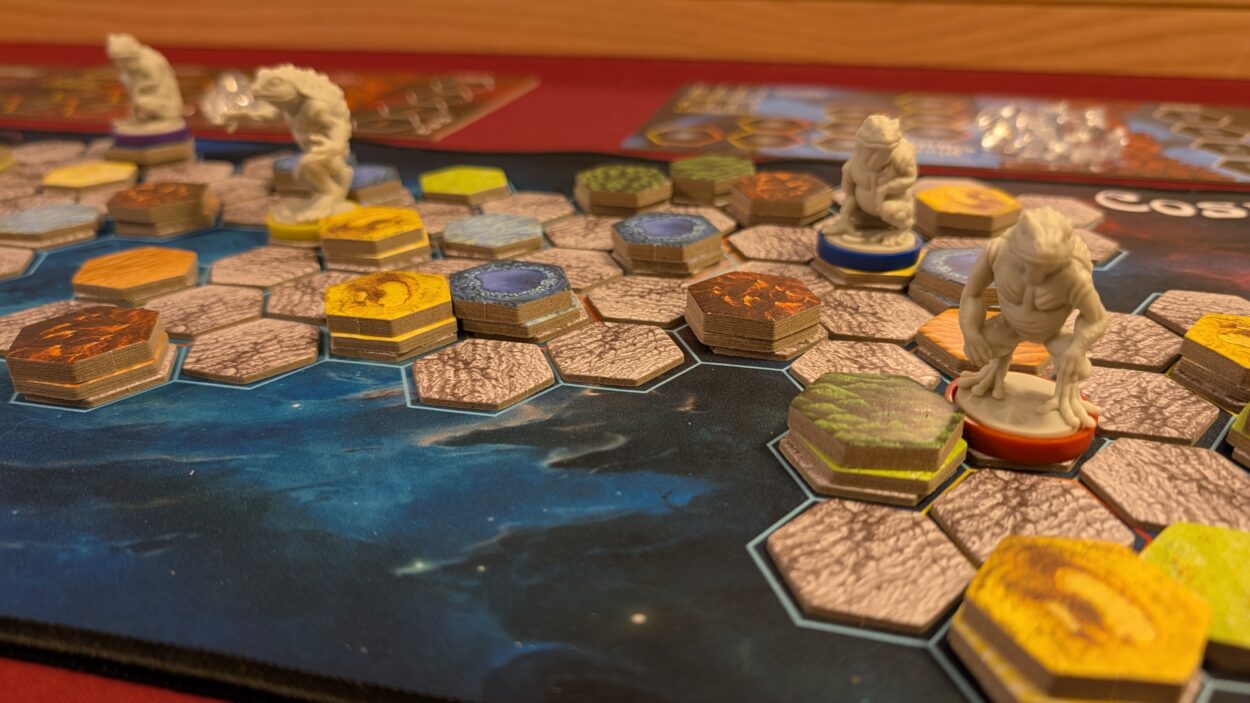
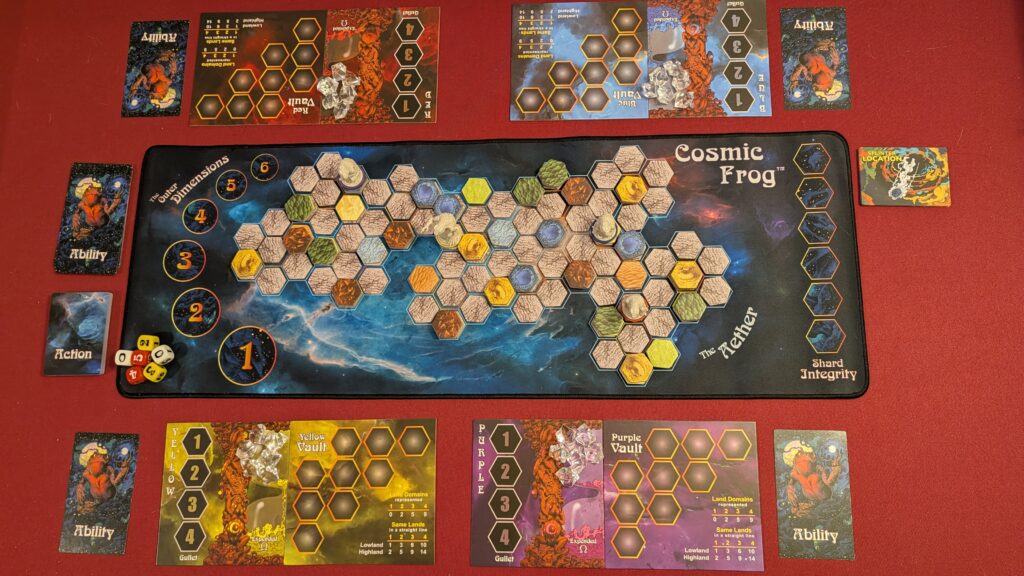
In Cosmic Frog, you play as two-mile-high frogs. In space. Who eat…land? It’s part set collection, part battle royale. It has senseless sabotage in spades, which isn’t usually my jam but plays out well here. You do get interesting and constantly changing special powers to dramatically reveal at any time. And somehow, it all works together to create a magical mess of fun. I’m also a sucker for a good production, and this game certainly delivers. The minis are endearing and tactile (the frogs have spiky backs), and the board is a neoprene mat with a bunch of chunky cardboard hexes. People get a kick out of this game as soon as they sit down to it, and the fun continues throughout the play.
Plus the designer is trans, and I always try to support marginalized folks in our hobby!
9. Veiled Fate
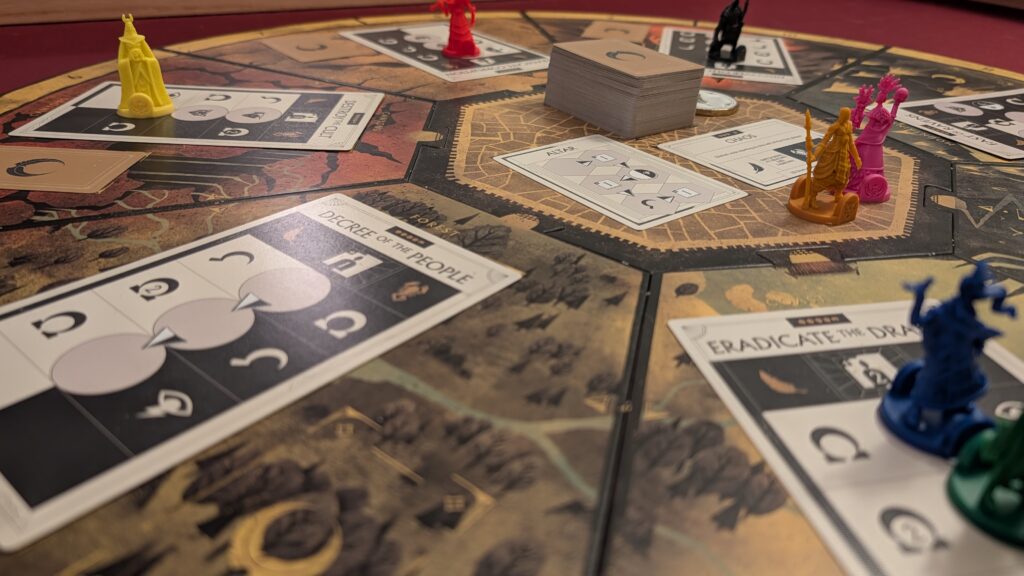
Another weird game here. One part social deduction, one part logic puzzle, one part throwing things at the wall and seeing what sticks. The base premise of Veiled Fate is simple: players are gods, manipulating the fate of their offspring, the demigods, by sending them on quests to gain points. The hook is that all nine demigods are in play at all times, no matter the player count. One demigod is secretly assigned to each player, and the remaining are effectively neutral—but the neutral ones can still win!
Veiled Fate rewards attention to detail and subtle misdirection, without encouraging the strings of wild accusations that so often mark social deduction titles. Only at the end of the game do you really find out how well you played your fellow players. I would only bring this game out with people who are used to more complex games, because it shines when the rules fade into the background and you’re left with the purity of thinking through each other’s moves. With the right group, Veiled Fate is a fabulous example of a small twist on a genre bringing it new life.
8. Dracula vs. Van Helsing
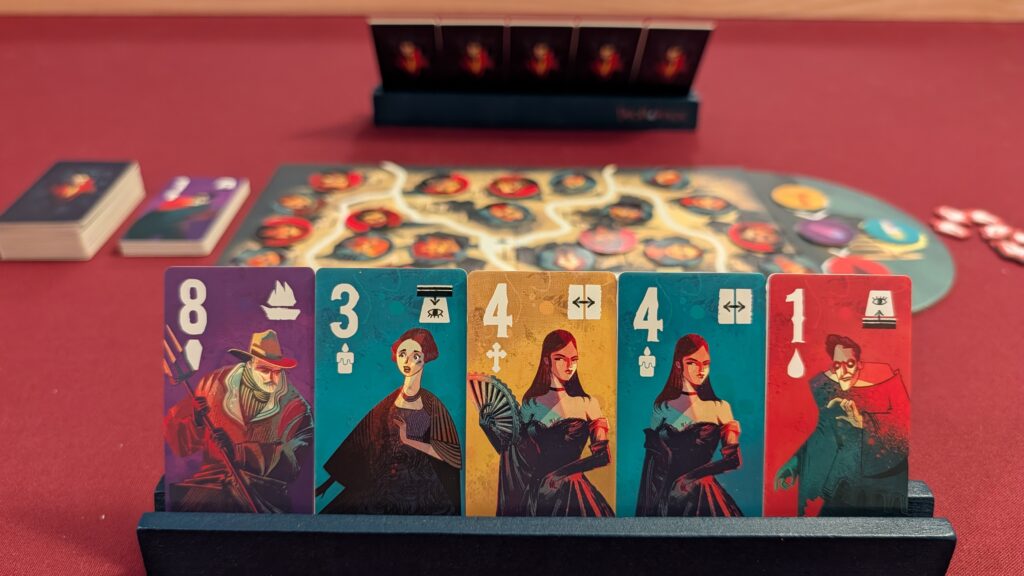
Dracula vs. Van Helsing is effectively a two-player trick-taking game in which you’re managing five tricks at once and have several opportunities to manipulate your cards before you lock them in. First and most importantly, in this game either player can choose to end the round whenever they’d like (with some minor limitations). I love building up to that moment, playing chicken with the other person while you try to decide when to call it.
There’s also something really puzzly about running five tricks in parallel, trying to decide when to place a big number or a strong suit and when to discard for a crucial ability. Dracula vs. Van Helsing is such a unique, clever design, and it demonstrates how much room for creativity exists in the two-player trick-taking space. Even experienced players can find something surprising here.
7. Daybreak
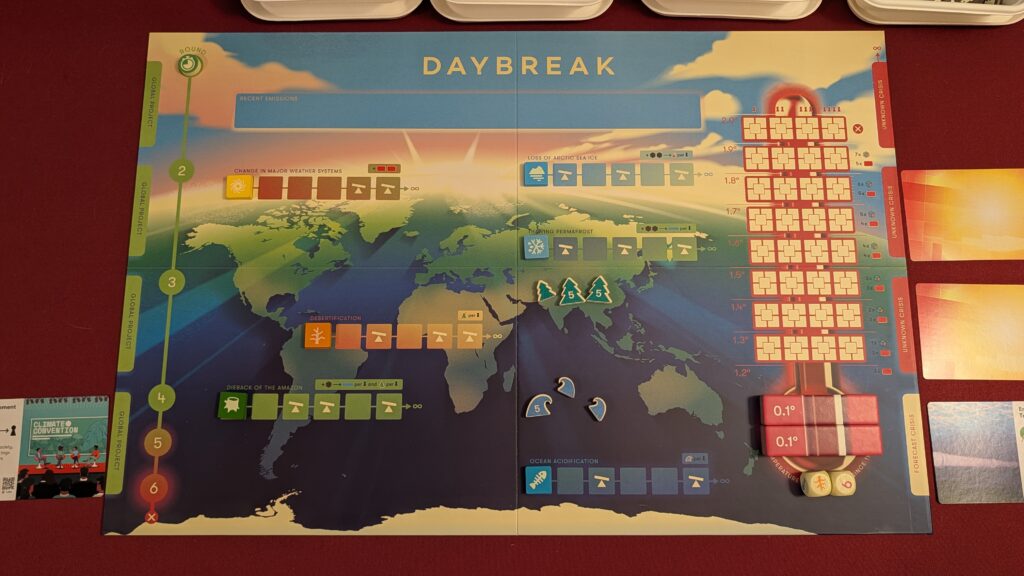
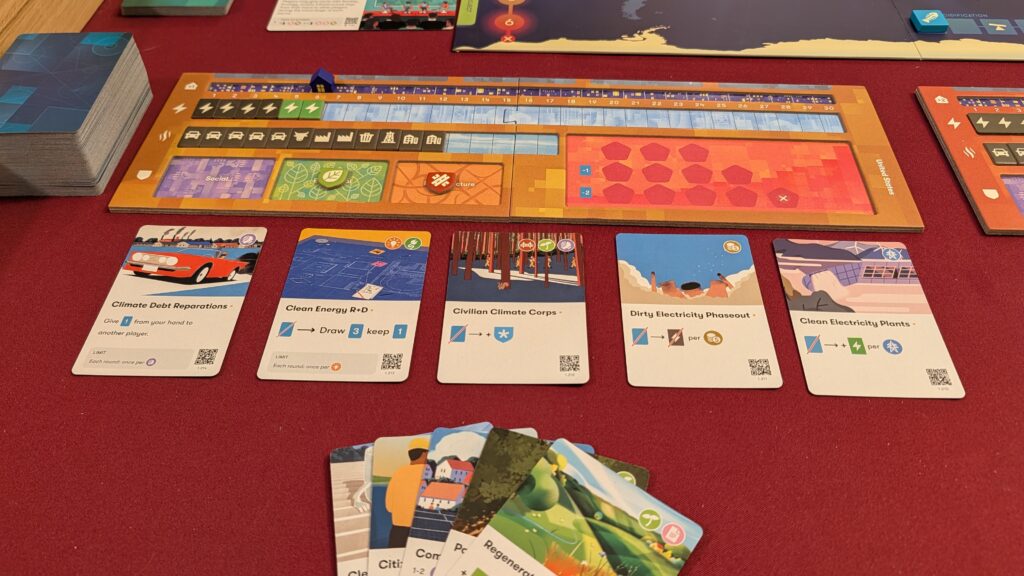
On its face, Daybreak is a tableau builder with engine-building elements. Nothing particularly groundbreaking in those mechanisms. But layer on the simultaneous turns and cooperative play and you have a unique combination. I’ve seen all kinds of players get excited about the ability to make something they personally find fun while contributing to the larger goals of the game.
Another reason I enjoy showing Daybreak to folks is the scientific grounding. Every card not only is based on a real-world project or initiative but also has a QR code you can scan to learn more about what’s on the card. The designers went to great pains to include well-sourced, truly interesting information about topics like carbon capture, community resilience efforts, and renewable energy. Plus the production is free of plastic and includes lovely wooden pieces, and what’s not to love about that?
6. Anomia
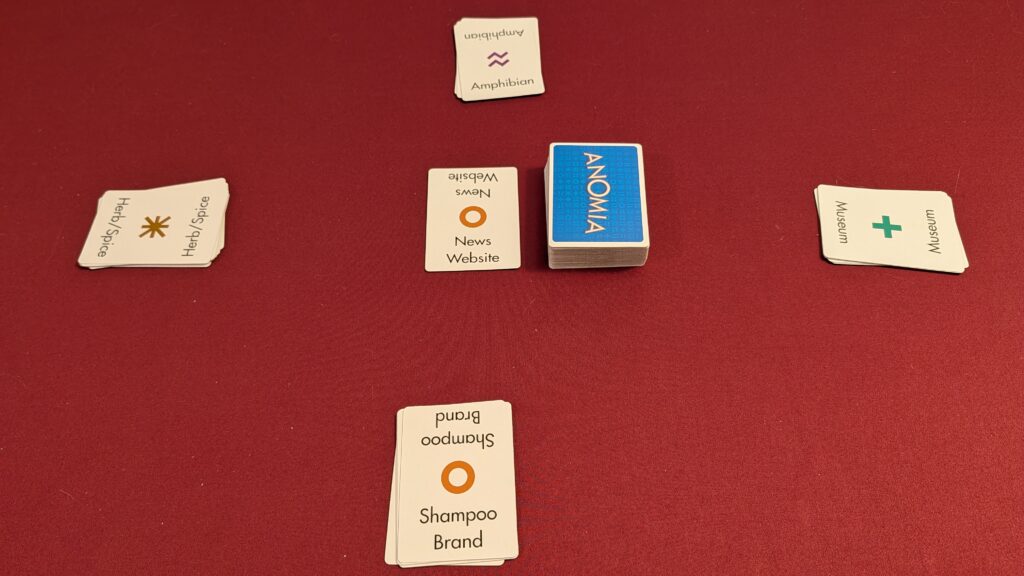
Anomia is a fantastic and pretty niche game, though I am glad to see a new version is coming out. You have to love words and high-pressure situations. Flip a card, watch for matching symbols, and yell the name of a famous tennis player before an opponent yells the name of a cereal brand. Rinse and repeat. It’s frantic, tense, and exhausting. And people love it anyway. I’ve played with all kinds of people with all kinds of tolerance for the spotlight, and it definitely isn’t for everyone. But with the right group, it shines as an example of a party game with teeth.
5. Dro Polter
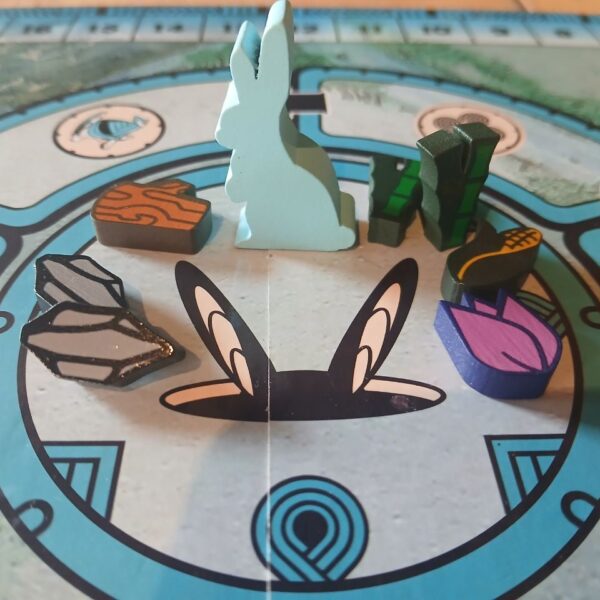
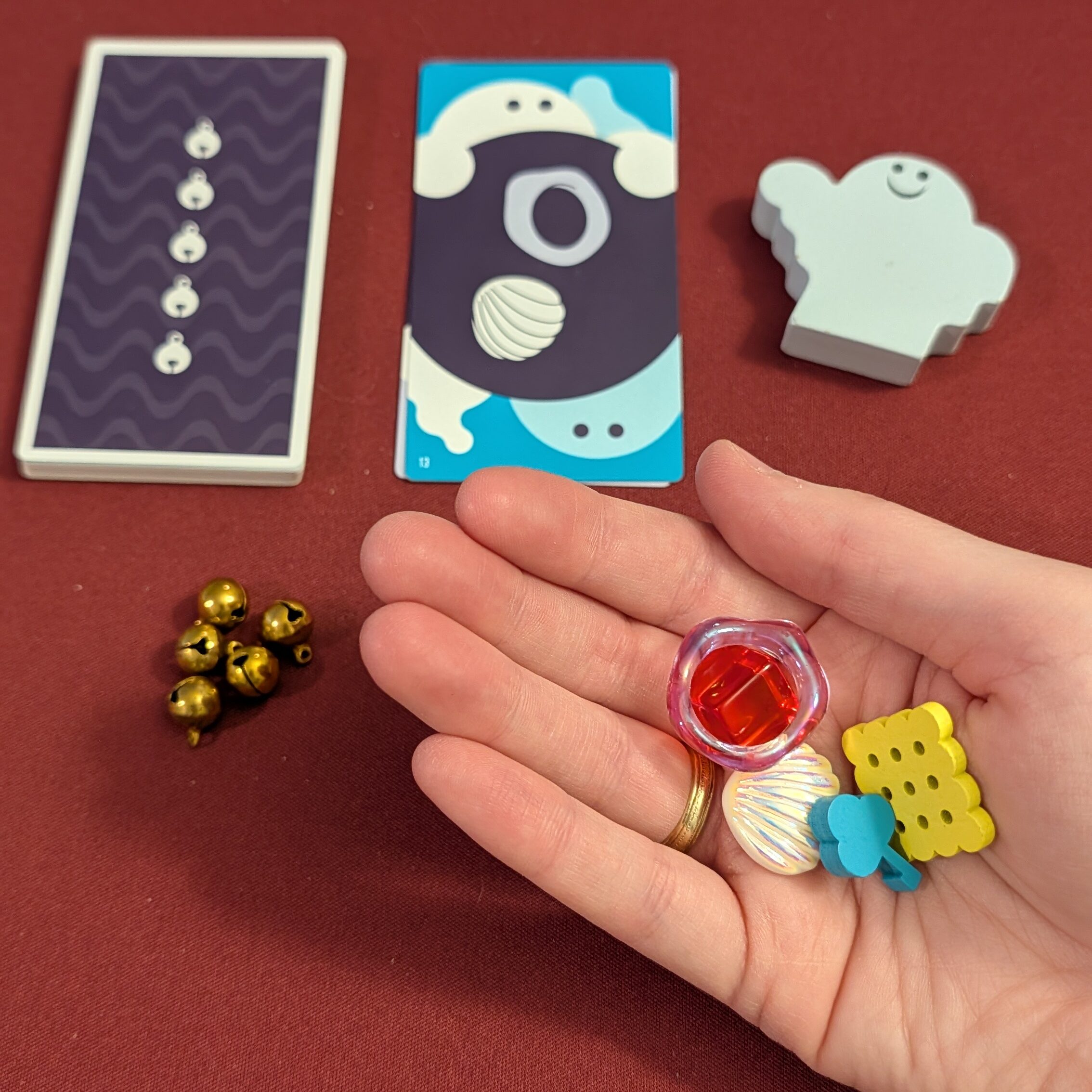
I couldn’t make a list like this without an Oink game, and Dro Polter is my entry here. It’s a dexterity game where you have five small items in your hand and you race to be the first to drop a certain combination of them each round. The fastest person gets a bell, and the first to five bells wins the whole thing. But the catch is that the bells have to stay in your hand with the original five items. So if you accidentally drop a bell, you lose it (and the associated point!).
I’ve gotta admit, Dro Polter can get a little…sweaty. But honestly that’s part of its charm. I’ve had new and seasoned players alike get completely enamored with this design, asking for play after play, as they insist they figured out how to maneuver their hands better next time. So many dexterity games play out on the table, so the slightest bump or uneven surface can lead to disaster. But in this one, you can only blame yourself if things go sideways.
4. nana/Trio
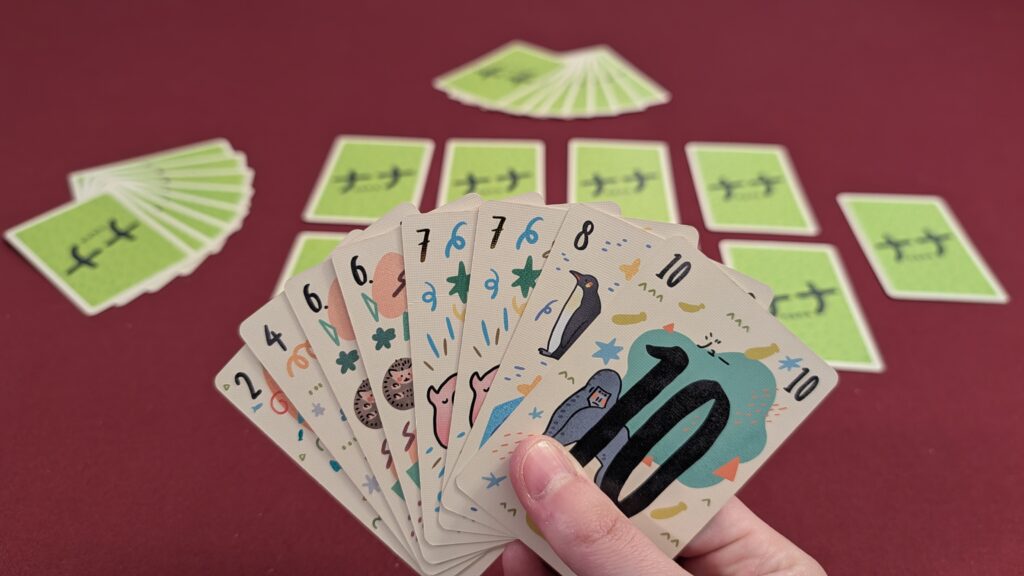
nana (or Trio, as the latest version is called) is the game I’ve played most on this list: 44 times as of this writing. It was the small card game darling of many YouTube board game reviewers in 2023, and I got so swept up in their enthusiasm that I found a copy to import. Besides the precious Sai Beppu art making nana such a delight to look at, the gameplay really delivers on its own. ”Gamer Go Fish,” as I’ve heard it called, is just a memory game. But it also involves careful revelation of hidden information and manipulation of your opponents’ understanding of who has what cards. It’s a brain-twisting good time that takes a simple mechanism and turns it into something fascinating. New gamers love the familiar feeling, and experienced folks love storing up knowledge they can unleash when others lose track of cards on the table.
3. Thunder Road: Vendetta
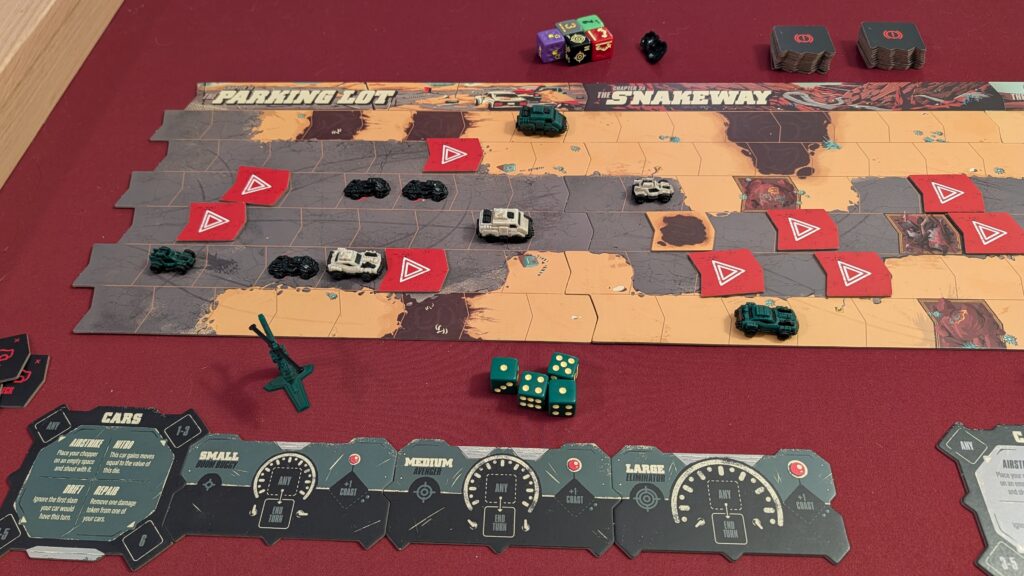
Thunder Road: Vendetta makes people feel like kids again. The toy factor is through the roof. When I start setting this up, players get excited. Toy cars? A modular track? Dice? And then I explain the rules, and their eyes light up even more. I adore the moments when cars go flying across the track. When one car crashes into another and throws it into the abyss. When a chain reaction of crashes causes so much mayhem that you root for more chaos rather than for your own victory. The game is so simple but so enjoyable, and I am always looking for reasons to get it to the table.
2. Betrayal at House on the Hill
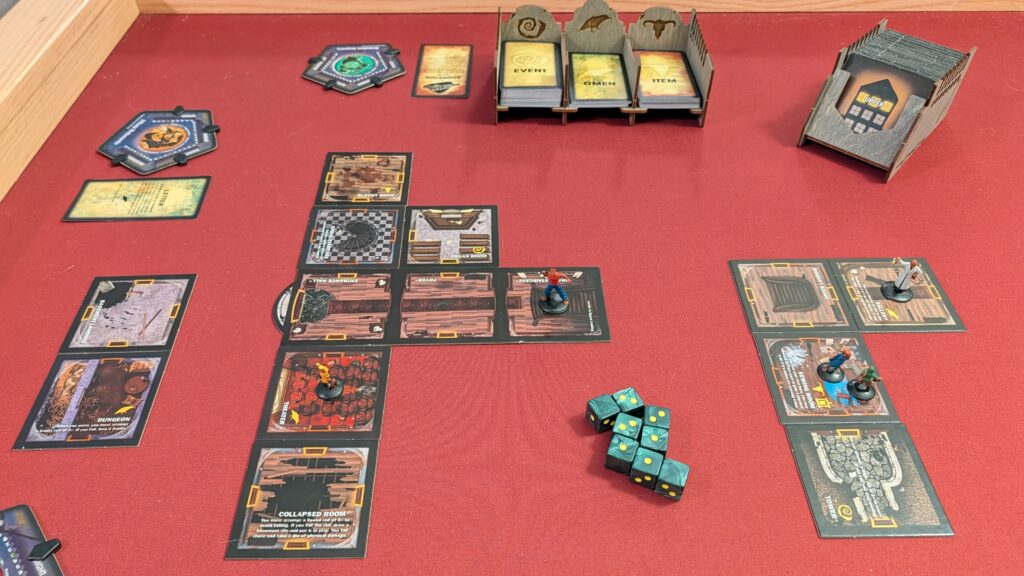
Betrayal at House on the Hill is often one of the first games I think of when faced with someone who isn’t sure about modern board games. It’s an easy teach with some big moments, and it introduces people to the concept of a cooperative game without overcomplicating things. The loop of the building phase is simple, involves some flavor and minor twists, and is almost more of an activity than a game. But then the haunt is triggered, and players discover that there’s a traitor in their midst! This is where Betrayal shines. Interactions get a little more interesting, the rules ramp up to a push & pull dynamic with some real strategy to it, and the layout of the house you built suddenly matters. The game becomes a fun, silly experience when it’s at its best.
Admittedly, Betrayal has quite a few rough edges. Some haunts aren’t even remotely balanced, and having a new player be the traitor can cause a lot of friction. But I still adore the game as a whole. A few years ago, I got three new players to join my wife and me in a full campaign of Betrayal Legacy, and every single one of us was deeply invested to the end. It’s high here despite the aforementioned issues because I can’t deny how much success I’ve had introducing this to people.
1. Rumble Nation
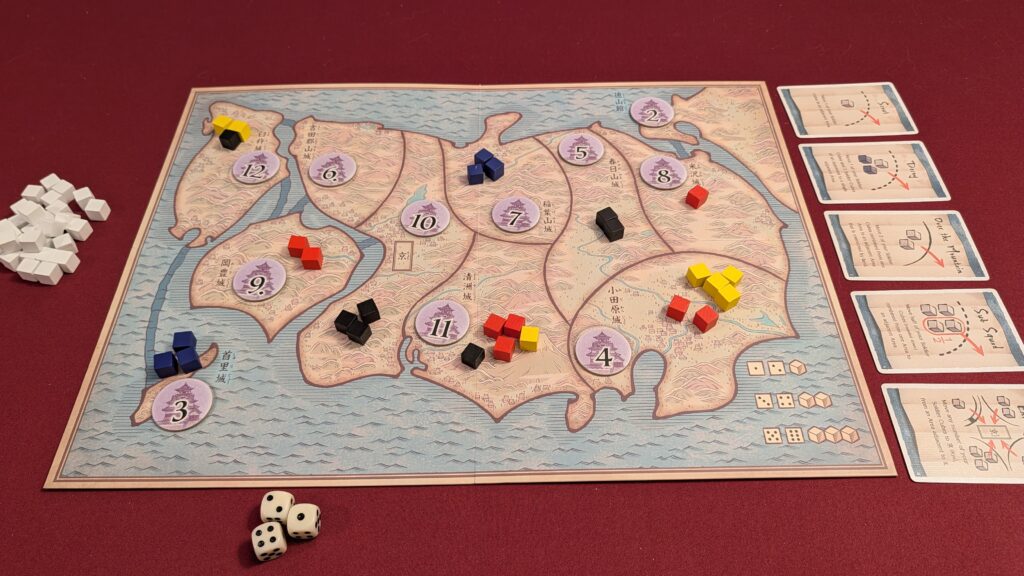
And now, the pièce de résistance, Rumble Nation. I once heard someone describe Rumble Nation as coiling up a spring and then letting it go. That description couldn’t be more apt. Kind of like Betrayal at House on the Hill, the game has a two-part arc. In the first phase, you place your troops in numbered territories by rolling dice. There are also one-time-use powers on the table that can change the flow of things. In the second phase, you resolve majorities in number order, with the winner able to reinforce adjacent territories they have troops in. This is when Rumble Nation becomes a cascade of realizations. “Oh no, I forgot I couldn’t reinforce there!” followed by “Yes! Another one for me!”
I love pulling out Rumble Nation with gamers and non-gamers alike. It can get a little mathy, but people are usually able to look past that and enjoy the push & pull of the two halves. It has a unique sense of motion and tension in a combination I’ve not experienced in any other game.